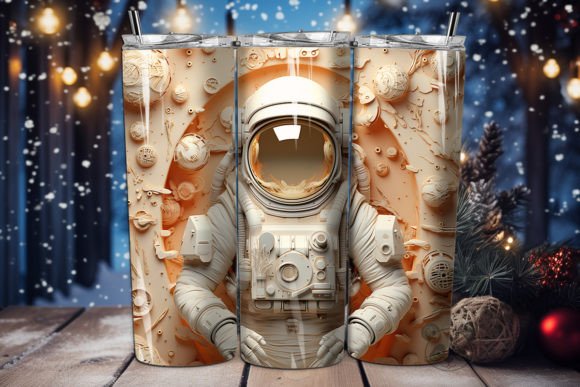
Exploring the Galaxy of Creativity: A Guide to 3D Halloween Astronaut Tumbler Wraps
In the rapidly evolving world of digital crafting and sublimation printing, few trends have captured the imagination of creators quite like the fusion of seasonal themes with futuristic aesthetics. Among the most exciting developments this year is the rise of the 3D Halloween Astronaut Tumbler Wrap. This unique design concept merges the spooky charm of October with the boundless wonder of space exploration, resulting in a product that is both visually striking and commercially viable for small business owners and hobbyists alike.
For those new to the sublimation industry or seasoned veterans looking to expand their catalog, understanding the nuances of these digital assets is crucial. This article will guide you through what these files are, why they matter, how to use them effectively, and the broader context of 3D design in modern crafting.
What Exactly Is a 3D Halloween Astronaut Tumbler Wrap?
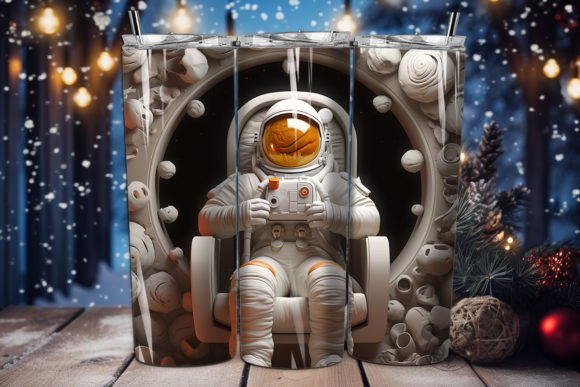
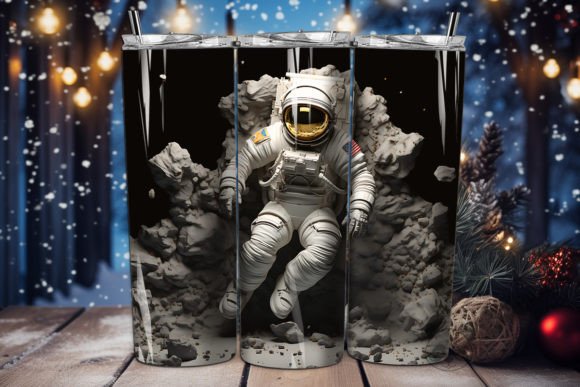
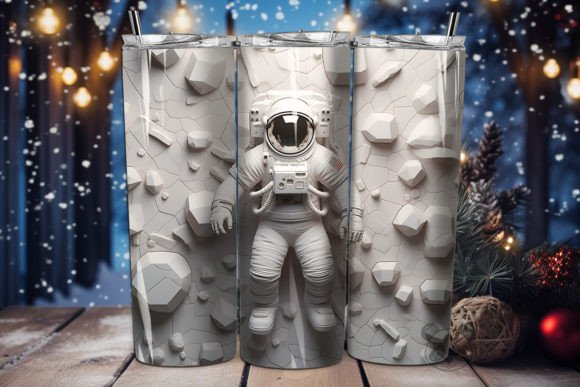
At its core, a tumbler wrap is a digital image file designed to be printed onto special sublimation paper and then heat-transferred onto a coated metal tumbler. When we add "3D" and "Halloween Astronaut" to the mix, we are describing a specific style of artwork that utilizes depth, shading, and layering to make the subject pop off the surface of the cup.
Unlike traditional flat illustrations, a 3D design mimics realistic lighting and texture. Imagine an astronaut floating in zero gravity, but instead of a standard NASA suit, they are adorned with Halloween elements—perhaps a pumpkin helmet, ghostly wisps trailing from their boots, or a backdrop of eerie purple nebulas and jack-o'-lantern moons. The "3D" aspect ensures that when the design is applied to the curved surface of a tumbler, it retains a sense of volume and realism, making the character appear as if they are truly floating in space.
These designs are typically sold as instant digital downloads. When you purchase a file like the "3D Halloween Astronaut Tumbler Wrap 34," you are not receiving a physical cup. Instead, you receive a high-resolution PNG file (often 300 DPI) sized specifically for popular tumbler dimensions, such as the 20 oz skinny tumbler. This digital nature allows for immediate access and unlimited creative potential.
The Significance of High-Quality Digital Assets in Modern Crafting
The shift toward digital sublimation designs represents a significant change in how creative businesses operate. In the past, creating a custom tumbler required hand-painting or using vinyl cuts, which were time-consuming and difficult to scale. Today, leveraging pre-made, high-quality PNG files allows creators to focus on the production process rather than the initial illustration.
However, not all digital files are created equal. The difference between a mediocre print and a professional-grade product often lies in the resolution and the artistic technique. A file described as a 300 DPI PNG ensures that when the image is printed, there is no pixelation or blurriness. This is vital for maintaining the integrity of the 3D effect; low-resolution images can make shadows look muddy and highlights appear flat, ruining the illusion of depth.
Furthermore, the inclusion of a dedicated background in these wraps is essential. Many beginners make the mistake of using designs with transparent backgrounds on dark tumblers, which can result in poor color vibrancy. A well-designed wrap, such as the Halloween Astronaut seamless pattern, includes a fully rendered background that covers the entire surface area of the tumbler. This ensures that the final product looks cohesive from every angle, with no unsightly gaps or white spaces.
Key Components of the Design File
When you download a package like the "3D Halloween Astronaut Tumbler Wrap 34," you are typically receiving a carefully engineered asset. Here is what you need to look for and understand within the file structure:
- Dimensions: Most files are sized around 9.3 inches by 8.2 inches. This specific sizing is calculated to fit a 20 oz skinny tumbler with a slight overlap for sealing the sublimation tape.
- File Format: The PNG format is preferred because it supports millions of colors and maintains quality without the compression artifacts sometimes seen in JPEGs.
- Seamless Patterns: Some variations include seamless patterns, allowing the design to be tiled or extended for larger cups or different products like mugs or phone cases.
- Watercolor vs. 3D: While watercolor styles offer a soft, artistic touch, 3D renders provide a bold, modern look. Understanding the difference helps you target the right audience for your finished goods.
Practical Application: From Download to Finished Product
Owning the digital file is just the first step. To truly benefit from a Halloween Astronaut tumbler wrap, one must understand the sublimation process. This technology uses heat to turn solid dye into gas, which then bonds with the polymer coating on the tumbler. Because the dye becomes part of the material, the design will not peel, crack, or fade easily.
Here is a simplified workflow for using these digital assets:
- Preparation: Download the ZIP file containing your PNG. Ensure your computer and printer are calibrated for accurate color reproduction.
- Printing: Print the design onto sublimation paper using sublimation ink. Remember to mirror the image horizontally before printing so that it reads correctly once wrapped around the cup.
- Wrapping: Carefully wrap the printed paper around the blank 20 oz skinny tumbler. Secure it tightly with heat-resistant tape to prevent "ghosting" (blurry lines caused by movement).
- Pressing: Place the wrapped tumbler into a convection oven or a specialized tumbler press. Apply heat at the recommended temperature (usually around 380°F) for the specified time.
- Finishing: Once cooled, remove the paper to reveal your vibrant, 3D Halloween Astronaut creation.
It is important to note that this item doesn't include any physical items. Success depends entirely on your equipment and technique. Beginners should practice on spare blanks to master the timing and pressure required for a flawless transfer.
Common Misunderstandings and How to Avoid Them
Despite the popularity of these designs, several misconceptions persist in the crafting community. Clarifying these can save time, money, and frustration.
Misconception 1: Any Printer Will Work.
You cannot use a standard home inkjet printer with regular cartridge ink for sublimation. The chemical composition of the ink is different. Using regular ink will result in the design washing off immediately. You must use a dedicated sublimation printer and ink.
Misconception 2: It Works on Any Cup.
Sublimation only works on items with a special polymer coating. Standard ceramic mugs or uncoated stainless steel bottles will not accept the dye. Always ensure your blanks are labeled as "sublimation ready."
Misconception 3: Digital Files Are Physical Goods.
As stated in the product notes, purchasing a wrap provides a digital file for instant download. No physical tumbler or printed paper is shipped. This distinction is vital for managing customer expectations if you plan to resell finished goods versus selling the digital files themselves.
The Broader Impact on Creativity and Business
The availability of niche designs like the Halloween Astronaut seamless pattern illustrates a larger trend in the gig economy and creative entrepreneurship. These digital assets lower the barrier to entry for aspiring business owners. You do not need to be an illustrator to sell beautiful, themed tumblers; you simply need an eye for quality and the technical skills to execute the print.
Moreover, these designs cater to specific micro-niches. By combining "Halloween" with "Astronaut," creators can target space enthusiasts who also love holiday decor, a demographic that might be overlooked by generic mass-market retailers. This specificity allows small sellers to command higher prices and build loyal customer bases on platforms like Etsy, Shopify, and at local craft fairs.
In education and skill-building, working with these files teaches valuable lessons in graphic management, color theory, and manufacturing logistics. It bridges the gap between digital art and physical production, offering a tangible reward for digital effort.
Conclusion
The 3D Halloween Astronaut Tumbler Wrap is more than just a festive image; it is a testament to the power of modern digital tools to enhance physical products. Whether you are a DIY enthusiast looking to create a unique gift for a space-loving friend or an entrepreneur aiming to capitalize on the Halloween rush, understanding the value of high-quality, 300 DPI PNG files is essential.
By respecting the technical requirements of sublimation, choosing the right blanks, and leveraging the depth and detail of 3D designs, you can transform a simple digital download into a cherished physical object. As technology continues to blend with tradition, the possibilities for creativity remain as vast as the universe itself. So, gear up, fire up your press, and let your imagination float among the stars this Halloween.
Thank you for visiting and exploring the world of sublimation design. We hope this guide helps you create something truly out of this world.